
Why Daily Emails Fail Without A System
Daily emails require more than inspiration—they need a proven system that works even when ideas run dry. This post walks you through the exact structures, timing strategies, and tracking methods that keep readers engaged and coming back.
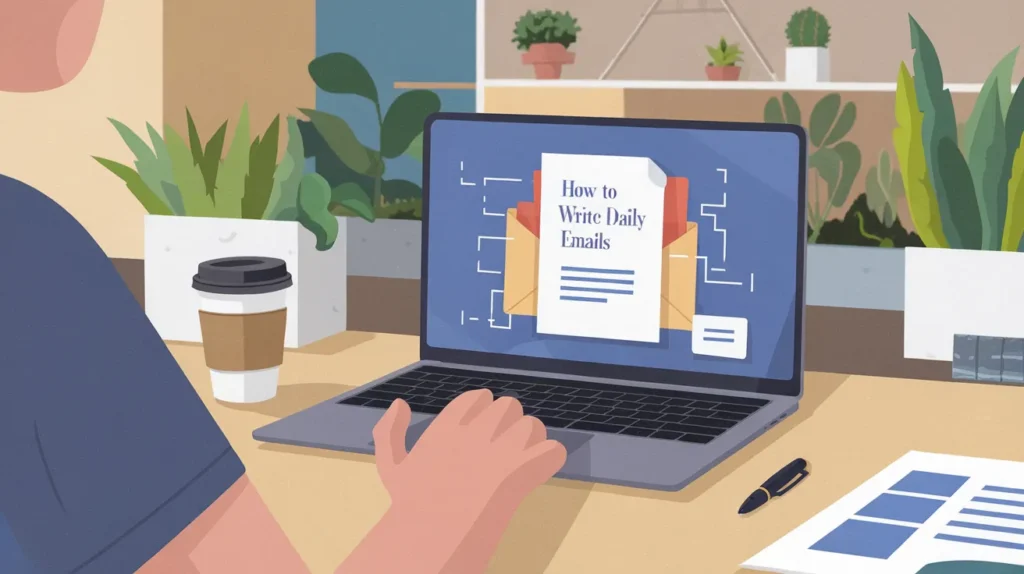
You open your inbox every morning and wonder what to write. The same blank screen stares back at you. Learning how to write daily emails means building a system that runs before you need inspiration. The content comes from having a proven plan.
Pick One Clear Purpose Before You Write Anything
Every email needs a job. You’re either sharing a story, teaching something, or making an offer. Pick one. When you try to do two things, readers get confused and stop reading.
Say you want to sell a workshop. Don’t spend half the email on your weekend plans. Write about the problem the workshop solves. Show why it matters. Then tell them where to sign up. Done.
Most failed daily emails drift between topics. The first paragraph talks about breakfast. The second mentions business advice. The third pitches a product. Nobody knows what you want from them.
Decide the purpose in the first thirty seconds of planning. Write it down somewhere visible. If a sentence doesn’t serve that purpose, delete it.
Write Short Sentences and Skip the Setup
People read email on phones during coffee breaks. They won’t sit through long introductions. Start with the thing you came to say.
Instead of “I’ve been thinking about this topic for a while,” just say the topic. Instead of “You might be wondering how to fix this,” explain the fix. Cut everything before the actual point.
Your reader already opened the email. They gave you attention. Don’t waste it with warmup paragraphs. Jump straight into the value or the story or the offer.
Most people overwrite because they’re nervous. They fill space with words to sound friendly. This backfires. Readers respect clarity more than chattiness.
How to Write Daily Emails Using a Reliable Repeating Structure
You need a formula you can use every single time. Not because formulas are creative. Because daily writing drains creativity fast. The structure holds you up when ideas run thin.
Here’s one that works: hook in the first two lines. One story or example in the middle. One lesson or point at the end. Link if you’re selling something. This takes four paragraphs.
You can write four paragraphs in fifteen minutes once you know the pattern. You stop staring at blank screens. You fill in the structure instead of inventing a new email shape daily.
Another structure: problem in paragraph one, example in paragraph two, solution in three. Then a call to action. Same idea. Pick a pattern and reuse it until it feels automatic.
The readers won’t notice the repetition because the content changes. You notice because you’re writing it. They just see a clear email that gets to the point fast.
Build a Swipe File So You Never Run Out of Ideas
Daily emails die when you run out of things to say. You sit down on day twelve and your mind goes blank. This happens to everyone unless you prepare.
Keep a list of email ideas somewhere you can access fast. Your phone notes app works. A notebook works. Doesn’t matter where. Just write down ideas the moment they arrive.
Good sources: conversations where someone asked you a question. Mistakes you made recently. Things you noticed about your audience. Random thoughts in the shower. Articles you disagreed with.
You’re collecting raw material, not finished emails. A single phrase is enough. “Why people quit too early” becomes an email. “Client asked about pricing” becomes an email.
When you sit down to write, check the list. Pick one item. Write about it. You never face the blank page with zero direction. You always have ten options waiting.
Send at the Same Time So Readers Expect You
Consistency isn’t just about writing daily. It’s about showing up at the same hour. Readers build habits around predictable timing.
Pick a send time based on when your audience checks email. Morning works for most people. Late afternoon works for some niches. Test one time for two weeks before changing it.
When you send at random hours, people forget you exist between emails. When you send at nine every morning, they start looking for you. The habit loop kicks in.
This compounds over weeks. Month one feels like shouting into a void. Month three feels like showing up for friends. The dailyness builds the relationship, but the timing makes it stick.
Automation tools let you write ahead and schedule everything. Write three emails on Sunday. Schedule them for Monday, Tuesday, Wednesday. You stay consistent without writing every single morning.
Track Opens and Clicks to See What Actually Works
You think a subject line is clever. Nobody opens it. You think an email is boring. Everyone clicks the link. Your guesses are wrong more often than you expect.
Check your email platform once a week. Look at open rates for subject lines. Look at click rates for your links. Notice patterns. Don’t guess what works. Let the data show you.
Say you send ten emails. Three have questions in the subject line. Those three get opened twice as much. Now you know. Use more questions. Test again next week.
Or you notice story emails get more clicks than advice emails. Write more stories. Your audience just told you what they want. Listen to them instead of your assumptions.
The tracking shows you where to improve without reinventing everything. You tweak one variable at a time. Subject lines this week. Email length next week. The system gets sharper the longer you run it.
Stop Editing and Start Shipping Imperfect Emails
Daily emails don’t need polish. They need consistency. You’ll never send if you’re chasing perfection every morning.
Write the email in one pass. Read it once for typos. Fix obvious mistakes. Send it. The whole process takes twenty minutes max. Anything longer and you’re stalling.
Your readers aren’t grading you on prose quality. They’re checking if you showed up. They’re looking for useful ideas delivered clearly. A rough email sent beats a perfect email stuck in drafts.
This is the opposite of what school taught you. Daily email rewards speed and volume. You learn what works by shipping fifty emails, not by perfecting five.
Set a timer for fifteen minutes. Write until it goes off. Send what you have. Tomorrow you write another one. This is how you build the muscle.
Frequently Asked Questions
How long should a daily email be?
Between 150 and 300 words is the sweet spot for daily emails. Readers finish them in under two minutes. Anything longer risks losing attention halfway through.
What if I miss a day of sending daily emails?
Send the next day and keep going. Missing one day doesn’t ruin anything. Missing five days in a row breaks the habit. Get back on schedule fast.
Should I send daily emails on weekends?
Only if your audience checks email on weekends. Most business audiences don’t. Most consumer audiences do. Test it and watch your open rates.
Can I reuse old email content in new daily emails?
Yes. Most readers won’t remember an email from six months ago. Rewrite the idea with a new example. It saves time and still feels fresh.
How do I know if daily emails are working?
Track open rates, click rates, and unsubscribe rates weekly. If opens stay steady and clicks increase, it’s working. If unsubscribes spike, slow down.
Pick your email structure today and write your first three emails using the same format.